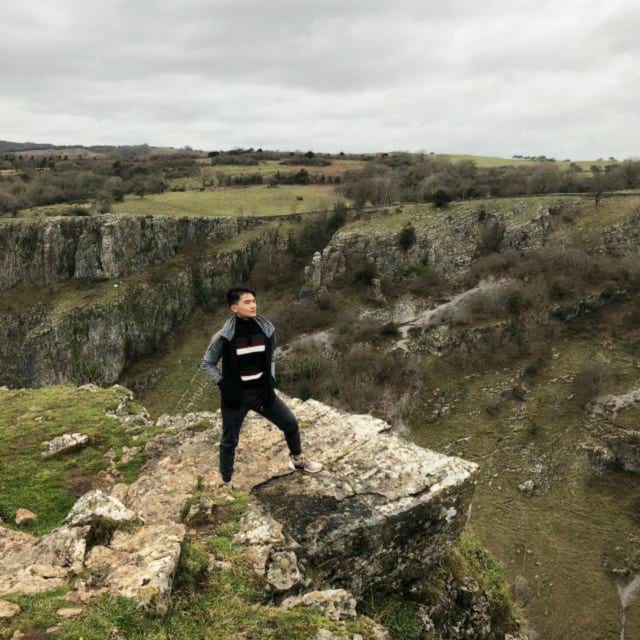
Ryan Timothy Abisha
B.Eng (Hons) Robotics, 2022
Indonesia
Making an international circle of friends taught me how to be a more easy-going person, so that I can adapt to new environments more smoothly now and in the future. ”
My interest in robotics began in junior high school when a friend and I entered a national competition. We designed a robot capable of planting seeds, watering them, and supporting early plant growth. To our surprise, we won first place. More importantly, the experience showed me how rewarding it could be to solve real-world problems through technology and innovation.
As the world moves further into the Fourth Industrial Revolution, with automation and smart technologies becoming increasingly important, I realised robotics was the field I wanted to pursue. I began searching for a university that could support my ambitions and help me develop my knowledge further.
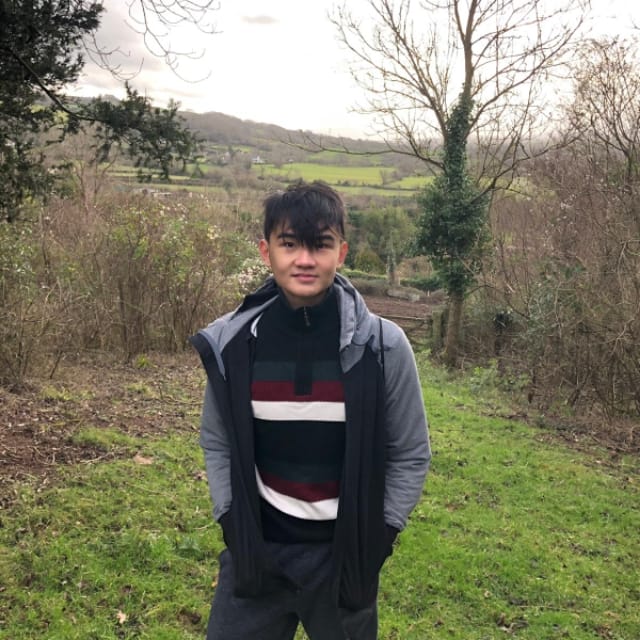
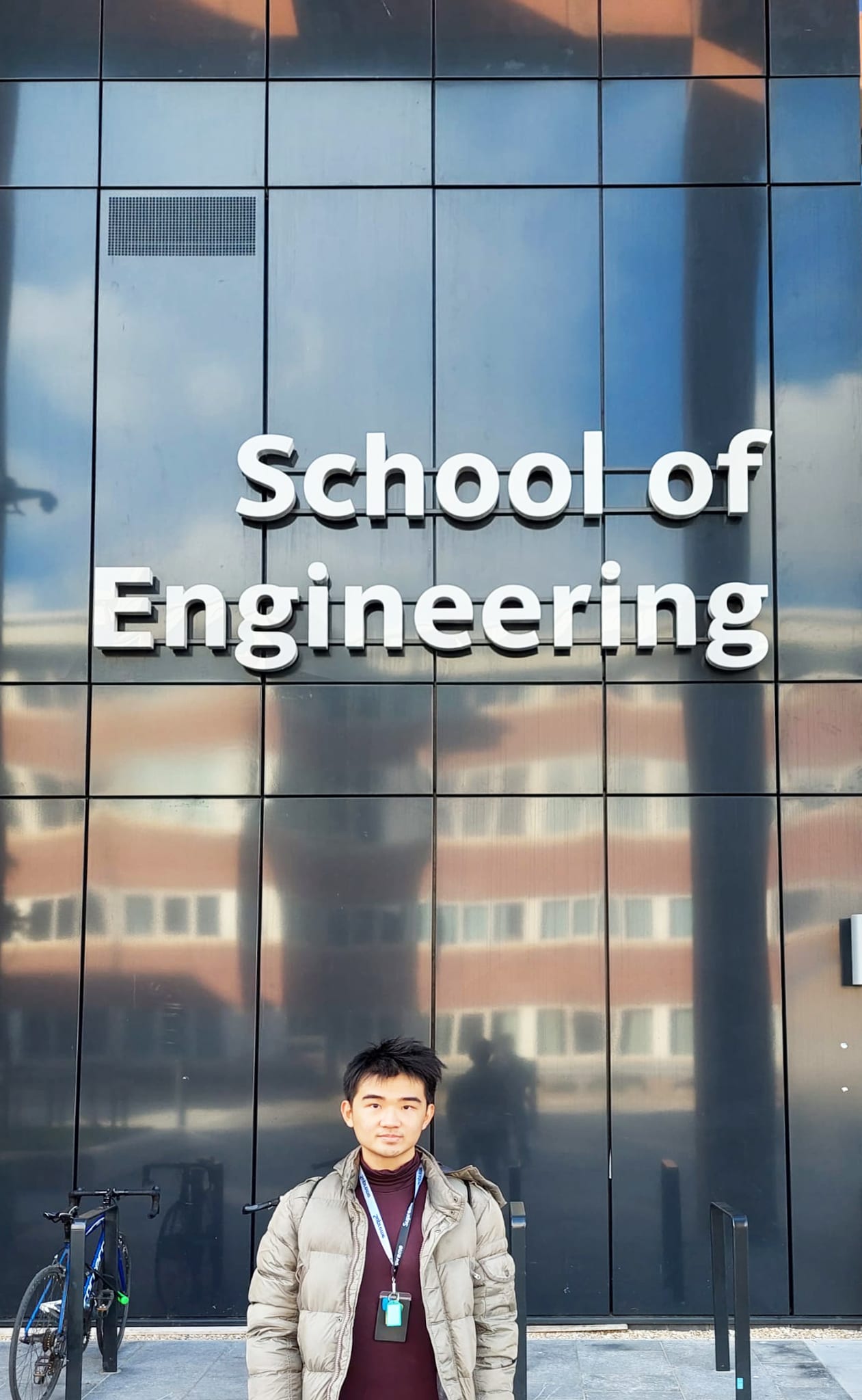
In 2017, with support from SUN Education, my father and I explored universities abroad. We soon discovered UWE Bristol and learned about the Bristol Robotics Laboratory on the Frenchay campus, one of the largest robotics research facilities in Europe. After attending seminars and researching the university further, I knew it was the right choice for me.
The admissions process was not entirely smooth. I accidentally took the wrong IELTS exam initially and had to retake the IELTS for UKVI. Fortunately, the second attempt resulted in a better score. I received an offer to complete a foundation year before beginning my bachelor’s degree, although my parents and I decided to defer my enrolment for a year before I finally moved to Bristol.
Living in the UK has been both exciting and transformative. Arriving alone meant stepping far outside my comfort zone, but it quickly became an opportunity for independence and personal growth. I built friendships with students from countries including China, Thailand, Germany, and Korea, and these experiences taught me to become more adaptable and open-minded. I also learned the importance of networking, whether through professors, events, or LinkedIn, as building professional relationships is essential in today’s world.
Alongside my studies, I joined the Indonesian Students Association in the UK and later served as an officer, helping to secure sponsorships for events. Through the association, I met postgraduate students and professionals from many different fields, whose experiences broadened my perspective and inspired me to think beyond engineering alone.
My third year was especially difficult because of the COVID-19 pandemic. Robotics is highly practical, so moving classes online limited access to laboratories and hands-on work. Although simulations were useful, they could not fully replace practical experience. Despite this, I stayed motivated through exercise, sports, gaming, and regular discussions with friends about coursework and assignments.
Academically, one of my greatest challenges was adapting to the high standards expected in engineering reports. I learned that seeking feedback early and consistently is far more effective than rushing work close to deadlines. This experience taught me the value of continuous improvement and remaining open to constructive criticism.
Now in my fourth year, I am developing a robotics project focused on machine vision in agriculture. My goal is to create an AI-based system capable of assessing the ripeness and quality of banana crops more efficiently than human inspection alone. Indonesia produces over seven million tonnes of bananas annually, so I hope this technology could eventually contribute to improving agricultural productivity in my country. Ultimately, I aim to help advance the use of agricultural robotics in Indonesia and apply machine vision technology across a wider range of crops in the future.